
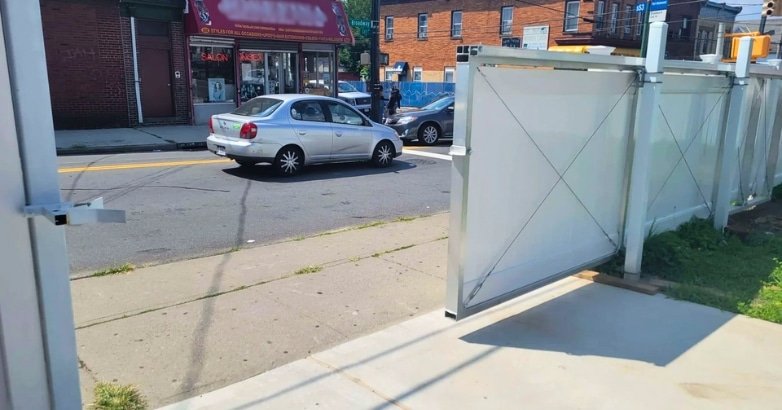
Installing a gate on a sloped driveway isn’t just a standard home improvement task; it’s a structural challenge that requires engineering awareness, precise calculations, and expert craftsmanship. Slopes introduce factors that flat surfaces simply don’t, making durability, functionality, and visual balance essential elements of a successful sloped driveway gate installation.
Many homeowners underestimate the technical complexity until they face issues such as scraping, sagging, or uneven gaps. Whether you’re enhancing property security, improving privacy, or upgrading curb appeal, this guide outlines the dos and don’ts of installing a gate on a sloped driveway to ensure long-lasting, smooth, and visually aligned results.
Understanding Why Sloped Driveways Need Special Gate Installation
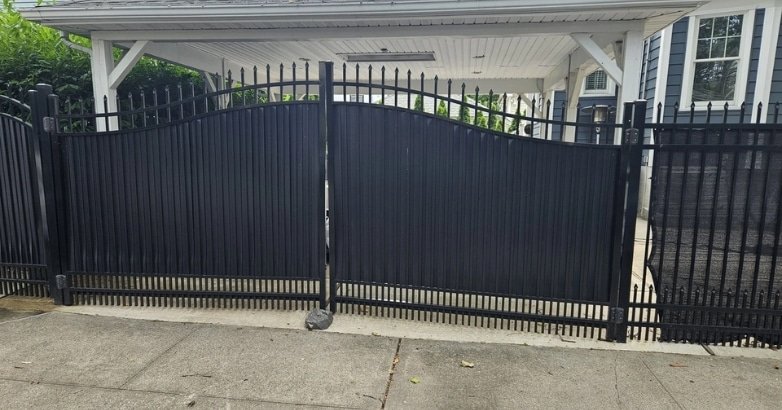
Before exploring the do’s and don’ts, it’s important to understand what makes sloped driveway gate installation different from flat-surface installs.
1. Uneven Forces and Weight Distribution
A sloped driveway causes the gate’s weight to pull unevenly against the posts and hinges, increasing the risk of sagging or misalignment. Proper engineering, reinforced framing, and precise hinge placement are essential to distribute weight evenly and ensure long-term structural stability.
2. Clearance Challenges
Gates installed on slopes often struggle with ground clearance during opening and closing. Without accurate slope measurements and proper gate design, the gate may drag or hit the driveway. Accounting for swing direction, elevation changes, and gate style prevents clearance problems and ensures smooth operation.
3. Added Stress on Hardware
Inclines create extra pressure on hinges, posts, openers, and locking mechanisms. Standard hardware often wears out faster on sloped installations. Heavy-duty components, deeper-set posts, and reinforced brackets help minimize strain, improve durability, and maintain reliable function over years of use.
4. Maintaining Aesthetic Balance
Installing a gate on uneven terrain requires balancing functionality with visual symmetry. If not properly designed, the gate may appear crooked or mismatched with the property’s layout. Adjusted angles, racked designs, and professional alignment help maintain a clean, visually appealing look despite the slope.
The Do’s of Sloped Driveway Gate Installation
1. Do: Choose the Right Gate Style for the Slope
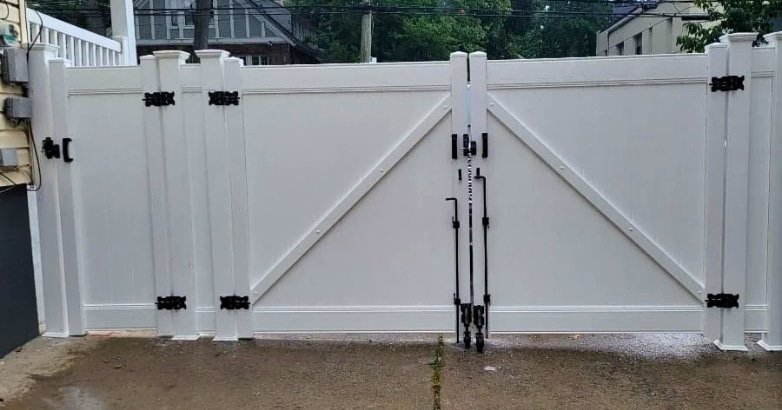
Choosing the correct gate style is essential when working with a sloped driveway, because not all gate designs are built to handle uneven terrain. The right style ensures smooth movement, prevents dragging, and protects the structure from unnecessary strain.
Suitable gate styles include:
- Racked or rake-style gates
- Lift-swing gates
- Sliding or cantilever gates
By selecting a gate engineered specifically for inclines, homeowners avoid operational problems and reduce long-term maintenance costs, ensuring a reliable installation that fits the driveway’s natural grade.
2. Do: Reinforce Fence Posts and Hardware
A sloped driveway naturally places added pressure on the gate system, making reinforcement a critical step in the installation process. Proper structural support keeps the gate aligned and prevents premature wear caused by uneven weight distribution.
Recommended reinforcement methods include:
- Setting posts deeper and securing them with stronger concrete
- Using heavy-duty hinges and hardware
- Incorporating steel or aluminum framing
These reinforcements help the gate withstand daily use and environmental stress. With a stronger foundation, the gate maintains its shape, movement, and stability for years.
3. Do: Measure and Calculate the Slope First
Every successful sloped driveway installation begins with accurate measurements. Understanding the slope helps determine the gate style, swing direction, and necessary clearance to prevent future problems like scraping or hinge strain.
Key measurements include:
- The rise and run of the driveway
- Swing clearance based on incline
- Ideal post placement for proper alignment
Thorough calculations ensure the gate functions correctly from the start. With precise measurements, installers can design a system that fits the terrain perfectly and avoids costly corrections later.
4. Do: Use an Automatic Gate Opener Designed for Slopes
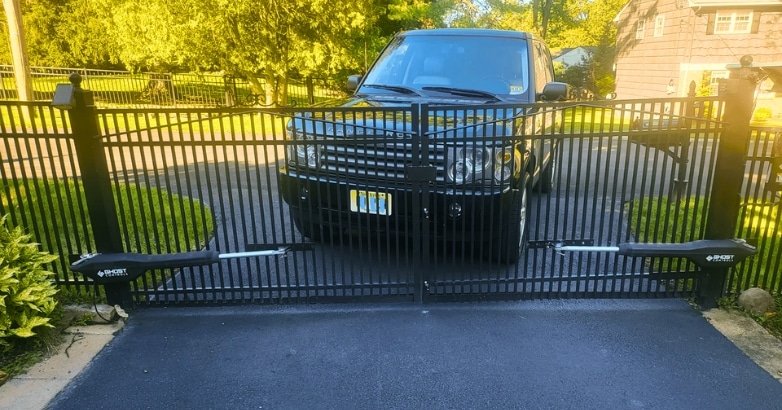
Gate openers respond differently on inclines, meaning standard models are often not powerful enough for sloped driveway setups. Choosing the right opener ensures the gate moves smoothly and avoids unnecessary strain on the motor and hardware.
Look for gate openers with:
- Higher torque to handle incline resistance
- Soft-start and soft-stop features
- Compatibility with uphill or downhill swings
Using an opener built for slopes extends the life of the gate system. It ensures consistent, reliable performance and prevents operational issues caused by the added resistance of the incline.
5. Do: Consult Experienced Professionals
Sloped driveway installations involve more complexity than typical gate setups, and working with professionals ensures every detail is handled correctly. Experienced installers understand how slope angles affect gate movement, structure, and long-term durability.
Professionals bring expertise in:
- Slope measurement and geometry
- Proper reinforcement and hardware selection
- Compliance with local codes and safety standards
Their knowledge minimizes errors and ensures the gate is built to last. With expert guidance, homeowners gain a safe, functional, and well-engineered solution tailored to their property’s unique conditions.
With over two decades of craftsmanship across Staten Island, Brooklyn, Queens, and New Jersey, JR Fencing delivers precise, durable, and dependable sloped driveway gate installations. Contact us today to ensure your gate is built right from the start.
The Don’ts of Installing a Gate on a Sloped Driveway
1. Don’t: Use a Standard Straight Gate
Using a straight, flat-designed gate on a sloped driveway creates immediate functional issues. These gates are not built to follow the incline, causing uneven gaps, dragging, and long-term structural stress.
Common problems with straight gates on slopes include:
- Scraping against the ground
- Twisting or sagging under uneven pressure
- Misaligned latching or locking
A slope-friendly gate, such as racked or lift-swing styles, ensures proper operation and prevents premature wear or damage.
2. Don’t: Overlook Drainage
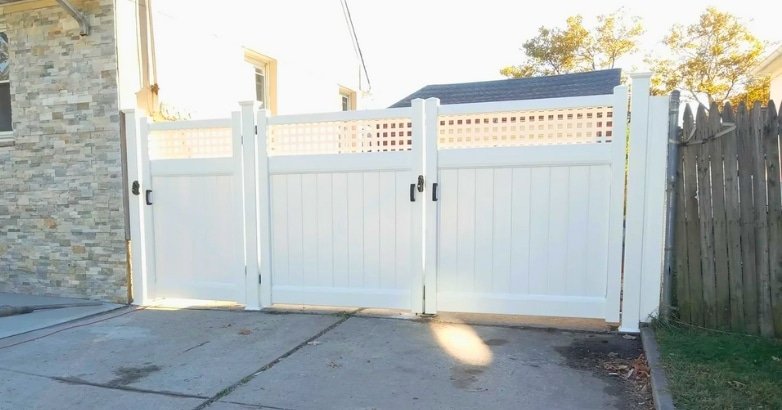
Water naturally flows downhill, and a poorly planned gate installation can block, trap, or redirect that flow in damaging ways. Ignoring drainage around a sloped driveway gate can lead to structural deterioration over time.
Drainage issues caused by poor planning include:
- Soil erosion around posts
- Rotting or rusting due to water pooling
- Gate misalignment from shifting ground
Planning proper water pathways protects the gate’s foundation and ensures long-term stability, especially on steep or uneven landscapes.
3. Don’t: Force a Gate to Fit the Driveway
Forcing a standard gate to match the slope by cutting angles, altering hardware, or adjusting hinges incorrectly only creates structural weaknesses. A gate must be designed for the slope, not manipulated to compensate for it.
Issues that arise from forced adjustments include:
- Excessive strain on hinges and openers
- Uneven spacing and poor alignment
- Shortened lifespan of the entire system
A gate engineered specifically for the incline will always outperform forced modifications and prevent costly future repairs.
4. Don’t: Ignore Local Codes and Safety Standards
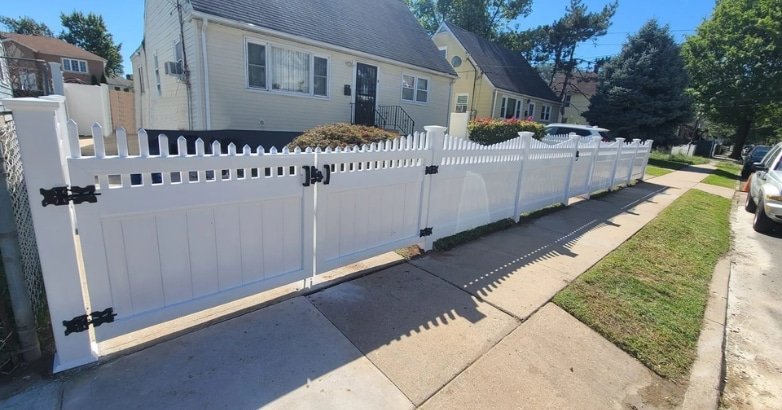
Gate installations must follow local building codes, property line rules, and safety regulations, especially if automation is involved. Ignoring these standards can create liability, reduce safety, and even result in fines.
Key considerations regulated by local codes include:
- Gate height and swing direction
- Required safety sensors for automatic gates
- Setback and property line limitations
Ensuring compliance protects the homeowner, enhances safety, and guarantees the installation meets legal and structural requirements.
5. Don’t: Skip Ongoing Maintenance
A gate on a sloped driveway experiences more stress than one on flat ground, making routine maintenance essential. Neglect leads to faster wear, noisier operation, and structural shifting over time.
Important maintenance tasks include:
- Checking tension points and alignment
- Removing debris from the gate’s swing or slide path
Consistent upkeep extends the lifespan of the gate, maintains smooth operation, and prevents minor issues from becoming major repairs.
Why Professional Expertise Matters for Sloped Driveways
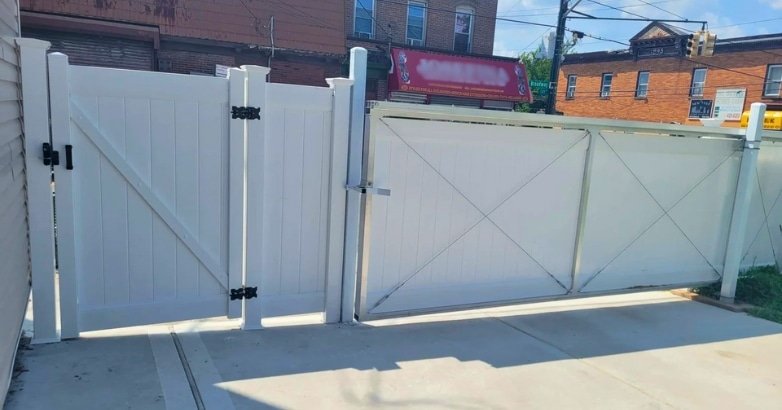
Sloped driveway gate installations demand more than basic tools; they require precise engineering, careful planning, and hands-on experience working with uneven terrain. Every slope behaves differently, which is why homeowners benefit from partnering with a team that understands how to design, reinforce, and align a gate specifically for their property.
For over two decades, JR Fencing has handled a wide range of incline-based installations across Staten Island, Brooklyn, Queens, and New Jersey. Our team has mastered the details that make or break a sloped driveway gate, from accurate rise-and-run calculations to selecting slope-appropriate hardware and ensuring long-term structural stability.
If you want a gate that operates smoothly, looks balanced, and withstands years of daily use, working with seasoned professionals makes all the difference. Reach out to us today for a free consultation and professional installations.
Final Thoughts
A sloped driveway doesn’t have to limit your design or security options. With proper planning, accurate slope calculation, reinforced materials, and expert installation, your sloped driveway gate installation can operate smoothly and last for decades.
Our company has spent more than two decades mastering the craftsmanship and precision required for challenging installations throughout Staten Island, Brooklyn, Queens, and New Jersey. When it comes to sloped driveway projects, we ensure every detail is aligned, reinforced, and built to endure.
Ready to ensure your sloped driveway gate is built with precision and long-term reliability? JR Fencing specializes in engineered installations designed to withstand the demands of uneven terrain. Contact us today to schedule a consultation and get expert guidance for your project.
Learn More: Smart Gate Systems for Modern Homes