

A well-built fence is more than a boundary; it’s an investment in security, privacy, and curb appeal. In a climate like New York, where weather conditions change dramatically throughout the year, even the most durable fencing systems require consistent care.
This guide breaks down seasonal fencing maintenance into practical, easy-to-follow steps that help property owners protect their fence year-round while extending its lifespan.
Why Seasonal Fencing Maintenance Matters
Seasonal fencing maintenance is crucial for maintaining both the function and appearance of your fencing. Each season introduces different environmental pressures, moisture, heat, wind, snow, and ice that can weaken fence materials over time.
Proper seasonal maintenance helps:
- Prevent rot, rust, and warping
- Maintain structural integrity
- Protect curb appeal and property value
- Extend the lifespan of fencing systems
For properties across Staten Island, Brooklyn, Queens, and New Jersey, seasonal care is especially important due to coastal exposure, temperature shifts, and urban conditions.
Spring Fence Maintenance – Address Winter Damage Early
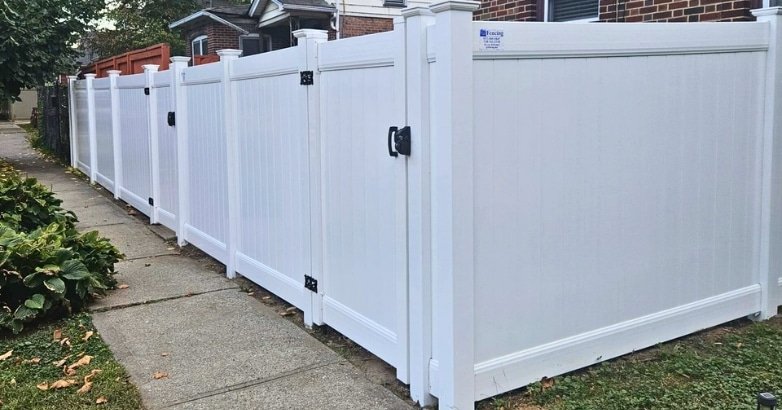
Spring is the most critical time for seasonal fencing maintenance because of New York’s shifting weather patterns. In New York, spring temperatures typically range from 45°F to 65°F, while average rainfall increases to 3.5–4.5 inches per month. Combined with melting snow and lingering frost, these conditions can destabilize fencing systems.
Key weather-related risks to address include:
- Soil saturation that loosens posts after freeze–thaw cycles
- Moisture trapped at the fence bases is causing rot or rust
- Temperature swings that expose cracks and joint separation
Early spring maintenance prevents minor weather damage from escalating as rain and humidity increase.
Summer Fence Maintenance – Protect Against Heat and Growth
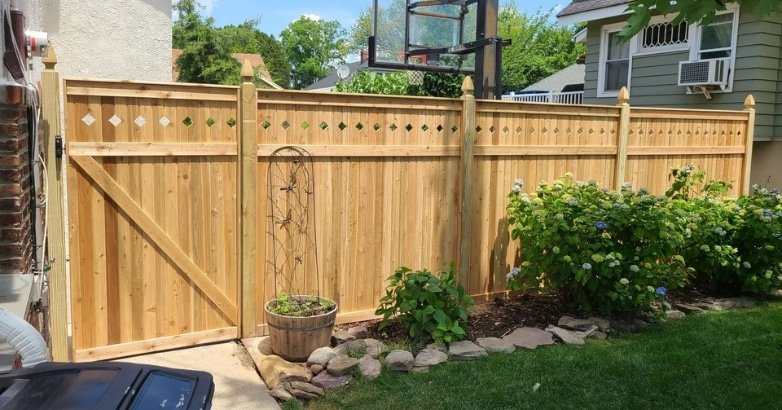
Summer weather places continuous stress on fencing systems due to prolonged heat and increased sunlight exposure. Average summer temperatures range from 75°F to 90°F in New York, with UV levels peaking between June and August. Extended sun exposure can dry out wood, fade finishes, and accelerate material expansion.
Key summer-related maintenance priorities include:
- Trimming vegetation to prevent moisture buildup and surface staining
- Sealing or staining wood fences to reduce UV cracking and fading
- Inspecting metal fences for early rust caused by heat and humidity
- Adjusting gates that expand due to high temperatures
Proactive summer fence maintenance minimizes heat-related wear and preserves long-term performance.
Fall Fence Maintenance – Prepare for Harsh Weather
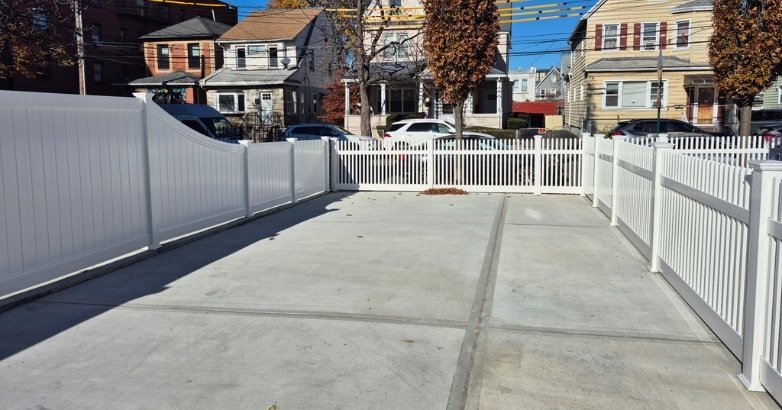
Is a critical transition period for seasonal fencing maintenance as weather conditions begin to shift rapidly. Fall temperatures typically drop from 60°F to below 40°F, while strong winds and early storms become more frequent. Falling leaves and increased rainfall can trap moisture at fence bases, increasing the risk of rot and corrosion before winter arrives.
Key fall maintenance priorities include:
- Removing leaves and debris to prevent moisture buildup
- Reinforcing posts and panels against wind pressure
- Applying sealants or protective coatings before the cold sets in
- Checking drainage to avoid water pooling near foundations
Proper fall preparation reduces winter-related damage and structural stress.
Winter Fence Maintenance – Monitor and Minimize Damage
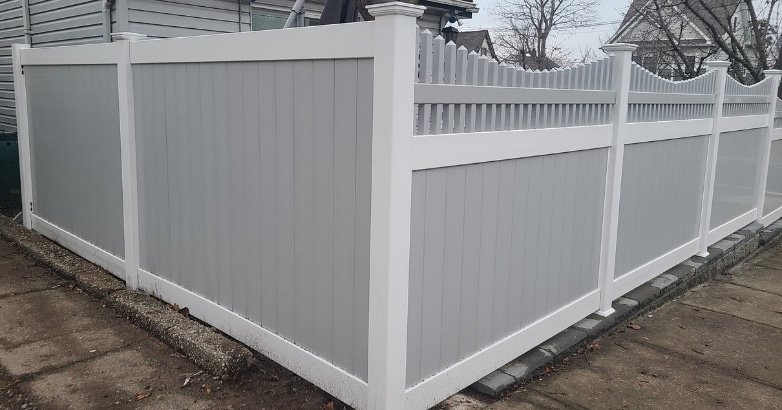
Winter fencing maintenance focuses on observation and damage control rather than major repairs. In New York, winter temperatures often fall between 20°F and 35°F, with snow accumulation averaging 25–30 inches per season. Freeze-thaw cycles, ice buildup, and strong winter winds place ongoing stress on fencing systems, especially at posts and joints.
Key winter maintenance practices include:
- Preventing heavy snow from piling against fence panels
- Removing ice carefully to avoid cracking or surface damage
- Checking alignment after storms or high winds
- Monitoring posts and hardware for movement or loosening
Regular winter checks help minimize long-term structural damage.
Fence Material and Seasonal Maintenance Considerations
Different fencing materials respond differently to seasonal weather conditions, making tailored maintenance essential. In New York, wide temperature swings, humidity, and winter moisture directly affect fence performance.
- Wood Fencing (Rain, Snow, Sun): Wood is most vulnerable to moisture and UV exposure. Regular sealing protects against spring rain and snowmelt, while summer staining prevents cracking and fading caused by prolonged sunlight.
- Vinyl Fencing (Heat, Impact, Cold): Vinyl holds up well in moisture but can expand in summer heat and become brittle in freezing temperatures. Seasonal cleaning and impact checks help prevent cracking and warping.
- Metal Fencing (Humidity, Snow, Salt): Metal fences require rust prevention, especially after wet springs and salty winter conditions. Protective coatings are essential before cold weather sets in.
- Composite Fencing (All Seasons): Composite materials handle weather well but still benefit from routine cleaning and joint inspections during seasonal transitions.
Matching seasonal maintenance to material type ensures durability, safety, and long-term performance.
Not sure which maintenance approach is right for your fence material? Reach out to us today for expert guidance and a professional evaluation tailored to your fencing system.
Common Seasonal Fence Maintenance Mistakes
Seasonal fence problems often result from avoidable oversights rather than material failure. Small issues can quickly escalate when weather conditions change throughout the year.
Common maintenance mistakes include:
- Ignoring minor damage, such as small cracks, loose boards, or early rust spots that worsen with moisture and temperature shifts
- Using abrasive cleaners or harsh chemicals that strip protective finishes and weaken fence surfaces
- Skipping seasonal inspections, allowing hidden moisture damage or soil movement to go unnoticed
- Letting vegetation grow unchecked, which traps moisture and accelerates rot, corrosion, and staining
Addressing these issues through regular inspections and proper care helps maintain fence stability, appearance, and long-term performance while reducing unnecessary repair and replacement costs.
Learn More: Top 7 DIY Fencing Maintenance Tips in the New York Climate
Why JR Fencing Is the Right Choice for Upgrading Your Fence
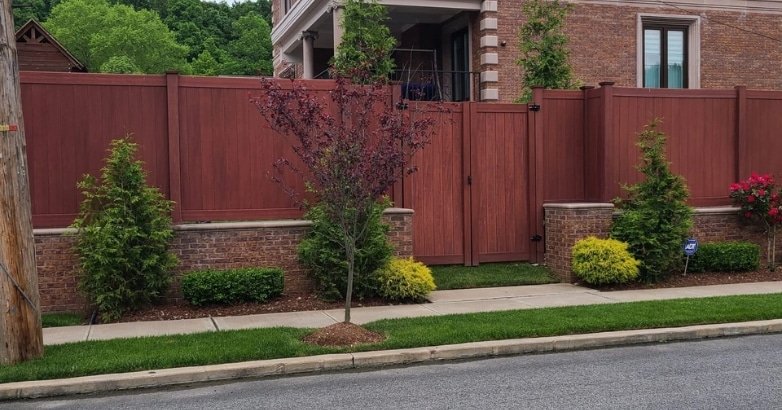
New York’s climate presents unique challenges, including wide temperature fluctuations, freeze-thaw cycles, heavy moisture, and varying soil conditions that can affect fence stability over time.
While routine cleaning and visual checks help maintain appearance, professional assessments are essential for identifying early signs of structural movement, post-settling, hidden moisture damage, and material fatigue.
Seasonal fencing maintenance is most effective when combined with professional expertise, especially in regions with demanding weather conditions like New York.
Experienced fencing professionals understand how different materials respond to seasonal weather and can apply the appropriate repairs, reinforcements, and protective treatments. With over two decades of hands-on experience, JR Fencing recommends a balanced approach that combines regular homeowner care with professional seasonal inspections.
This proactive approach helps prevent minor issues from developing into costly repairs, ensuring fences remain secure, durable, and visually appealing throughout every season while protecting long-term property value.
Final Thoughts
A fence built with quality craftsmanship deserves year-round care. By following a structured seasonal fencing maintenance plan, property owners can maintain the strength, appearance, and reliability of their fencing throughout every season. From spring inspections to winter monitoring, proactive maintenance ensures fencing systems remain secure, attractive, and durable.
For homeowners and businesses managing seasonal fencing maintenance in New York, consistency is the key to long-term performance. When maintained properly, a fence does more than stand; it continues to add value year after year.
Ready to protect and extend the life of your fence? Contact us today for a professional seasonal inspection and expert maintenance recommendations tailored to your property.
Read More: Checklist for Planning a Fencing Project