
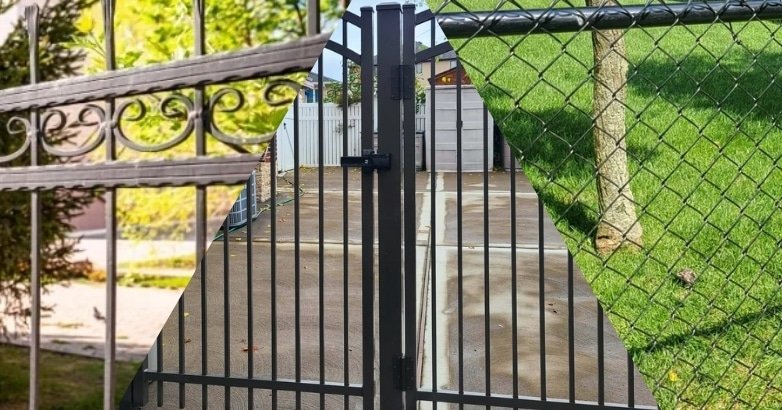
When a business or property owner plans to install new fencing, the decision starts with comparing commercial fencing materials to find the right balance of security, style, upkeep, and cost for long-term value.
In this article, we dive deep into commercial fencing materials comparison, focusing especially on commercial fencing steel vs aluminum, commercial fencing aluminum vs chain link, and commercial fencing steel vs chain link.
By the end, you’ll have a clear-eyed view of which metal best fits your property’s needs.
Why the Material Matters in Commercial Fencing
Choosing the right commercial fencing material is one of the most important decisions for any property owner.
Comparing commercial fencing materials helps determine not only how your fence looks but also how well it performs under pressure, literally and figuratively. A strong, durable fence can enhance security, protect valuable assets, and even project a professional image to clients and visitors.
In contrast, a poorly chosen material may lead to costly repairs, frequent maintenance, or vulnerability to rust and damage. Factors such as weather resistance, maintenance needs, installation cost, and compatibility with security features all depend on the fencing material.
Whether you’re comparing steel, aluminum, or chain link, understanding the unique strengths and weaknesses of each helps you choose a solution that balances strength, aesthetics, and long-term value for your commercial property.
Need professional assistance? Contact JR Fencing today for a free consultation and expert installation you can count on.
Steel Fencing: Power & Protection
Steel fencing represents the ultimate balance of strength, durability, and visual appeal. It’s the go-to choice for commercial properties requiring superior security, longevity, and professional style.
Strength & Security
Steel is the strongest fencing material available for commercial use. Its dense composition prevents bending, cutting, or warping, even under extreme conditions. It supports heavy security enhancements like automatic gates, cameras, and anti-climb features.
Businesses seeking ultimate protection against intrusion or damage rely on steel fences to maintain a safe perimeter without compromising durability or reliability.
Durability & Corrosion
While raw steel is susceptible to rust, modern treatments such as galvanization and powder coating significantly extend its lifespan. These coatings protect the metal from moisture and oxidation, ensuring long-term durability even in harsh climates.
Regular maintenance, such as repainting or re-coating, keeps the fence looking new and structurally sound, allowing it to outperform lighter materials like aluminum and chain link.
Aesthetics & Customization
Steel fences combine strength with sophisticated appeal. They can be crafted into various ornamental styles, offering classic or contemporary designs that elevate a property’s visual impact.
From decorative scrolls to spear-top panels, steel provides extensive customization options. Its elegant yet commanding appearance adds prestige to commercial buildings, schools, and government facilities while maintaining uncompromised security.
Cost & Installation
Steel fencing generally comes with higher material and labor costs due to its weight and complexity. Installation often requires skilled professionals and specialized equipment, increasing upfront investment.
However, its longevity and minimal replacement needs make it a cost-effective choice over time. For businesses prioritizing durability and performance over short-term savings, steel offers long-lasting value and dependable protection.
Aluminum Fencing: Lightweight Elegance & Low Maintenance
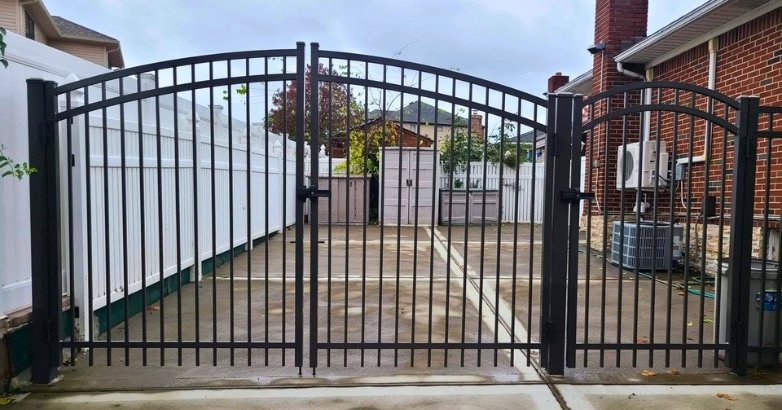
This fencing delivers a perfect mix of strength, sophistication, and practicality. Its lightweight design, corrosion resistance, and easy upkeep make it a smart choice for modern commercial properties.
Corrosion Resistance & Maintenance
Aluminum fencing naturally resists rust and corrosion, making it perfect for areas exposed to moisture or humidity. Unlike steel, it doesn’t require frequent repainting or special coatings to maintain its condition.
This low-maintenance nature allows property owners to enjoy long-lasting protection with minimal effort, just occasional cleaning to preserve its polished appearance, even in challenging weather environments.
Strength-to-Weight Ratio
One of aluminum’s greatest advantages is its impressive strength relative to its light weight. It provides dependable protection without the heavy bulk of steel, making installation quicker and easier.
Although not as strong as steel, aluminum fencing performs well for standard commercial needs and can be reinforced for added durability, offering a solid balance between sturdiness and flexibility.
Aesthetic Versatility
Aluminum fencing is highly adaptable, offering a wide range of colors, finishes, and designs to complement any commercial setting. From modern minimalist lines to decorative, wrought-iron-style details, it enhances both security and curb appeal.
Powder-coated finishes ensure long-lasting color that won’t fade or peel, giving businesses a professional, refined look with lasting visual impact.
Cost Consideration
While aluminum fencing can have a higher upfront cost than chain link, it delivers exceptional long-term value. Its durability and minimal maintenance reduce repair expenses over time, making it a smart investment for property owners.
The combination of aesthetic appeal, weather resistance, and longevity ensures that aluminum fencing remains a cost-effective and reliable choice for modern commercial environments.
Chain Link Fencing: Workhorse of Commercial Fencing
Affordability & Practicality
Chain link fencing is one of the most budget-friendly commercial fencing materials available. Its low material and labor costs make it a top choice for businesses needing extensive coverage without overspending.
Despite its affordability, it provides dependable protection, making it suitable for warehouses, industrial sites, parking lots, and sports facilities that prioritize function and value over visual appeal.
Simplicity & Speed of Installation
One of chain link’s biggest advantages is its quick and straightforward installation process. Its modular design allows for flexible sizing and easy adjustments, even around uneven terrain.
Professional installers can cover large areas efficiently, minimizing downtime for commercial operations. This makes it especially appealing for projects requiring rapid setup, such as temporary perimeters or large-scale industrial sites.
Visibility & Security
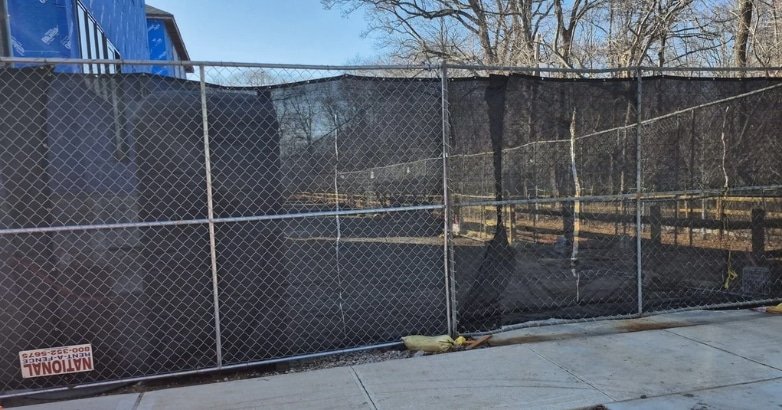
The open-weave design of chain link fencing allows excellent visibility, enabling security personnel and cameras to monitor surroundings without obstruction. This feature enhances surveillance effectiveness while maintaining airflow and light. Although it doesn’t provide privacy, additional features such as barbed wire, slats, or privacy screens can be added to improve both security and discretion where necessary.
Durability & Corrosion
Modern chain link fences are made from galvanized or PVC-coated steel, ensuring strong resistance against rust, moisture, and UV exposure. This protective coating significantly extends the fence’s lifespan, making it a long-lasting option with minimal upkeep. Regular inspections and minor maintenance help preserve its strength, even in demanding outdoor or industrial environments.
Limitations on Style & Upgrades
While chain link fencing excels in practicality, its design flexibility is limited. It lacks the decorative appeal of steel or aluminum and may not suit properties that prioritize aesthetics. Privacy and visual enhancement often require add-ons like vinyl slats or screens. However, for purely functional and cost-efficient commercial fencing, chain link remains a proven and reliable choice.
Side-by-Side Comparison: Steel vs Aluminum vs Chain Link
When comparing commercial fencing materials, understanding how steel, aluminum, and chain link differ helps property owners make informed decisions based on security, cost, and appearance.
- Steel fencing offers unmatched strength and durability, ideal for high-security environments or areas needing a bold, professional presence.
- Aluminum fencing, on the other hand, provides a sleek, rust-resistant alternative that balances style with low maintenance, making it perfect for coastal or modern commercial settings.
- Meanwhile, chain link fencing is the most practical and cost-effective solution, offering dependable protection for large perimeters with minimal upkeep.
Each material serves a unique purpose: steel for maximum security, aluminum for aesthetics and longevity, and chain link for affordability and efficiency. Evaluating these side-by-side ensures your fencing investment aligns with your property’s priorities in performance, budget, and visual appeal.
Tips to Choose the Best Commercial Fencing Material
Choosing the right commercial fencing material involves more than just selecting a style; it’s about balancing security, cost, durability, and design to suit your property’s specific needs. Comparing commercial fencing materials ensures you make an informed decision based on performance, appearance, and long-term value. Here are key tips to guide your choice:
- Identify Your Priorities – Determine what matters most: strength, appearance, privacy, or affordability. For example, steel offers unmatched protection, aluminum provides elegance with minimal maintenance, and chain link delivers practicality at a lower cost.
- Consider Environmental Conditions – If your property is in a coastal or humid area, opt for corrosion-resistant materials like aluminum or galvanized steel to prevent rust and extend longevity.
- Evaluate Maintenance Requirements – Choose a material that fits your upkeep capacity. Aluminum needs little maintenance, while steel requires periodic inspection and repainting.
- Plan for Security & Add-Ons – Think ahead about gates, security cameras, or access systems. The right fencing should support these integrations smoothly.
- Consult Professionals – Experienced fencing experts can assess your site and recommend the best commercial fencing materials that balance cost, durability, and long-term performance.
Ready to upgrade your property’s security and appearance? Reach out to us today for a free consultation and expert installation you can count on.
Final Insights
Choosing the right commercial fencing material ultimately comes down to understanding your property’s priorities, security, durability, aesthetics, and budget.
Comparing commercial fencing materials helps you evaluate which option fits best. Steel fencing offers maximum protection and timeless strength, perfect for high-security environments. Aluminum fencing provides a stylish, corrosion-resistant solution with minimal maintenance needs, while chain link fencing remains the most practical and affordable option for large-scale properties.
Each material has its unique advantages, and knowing their differences ensures your investment pays off in both function and appearance. Whether you’re protecting a business, upgrading your perimeter, or enhancing curb appeal, professional guidance makes all the difference.
Ready to find the perfect commercial fencing solution? Contact us today to schedule a consultation and let our experts help you secure your property with style and confidence.
Read More: DIY vs Professional Fencing – Making the Right Choice