
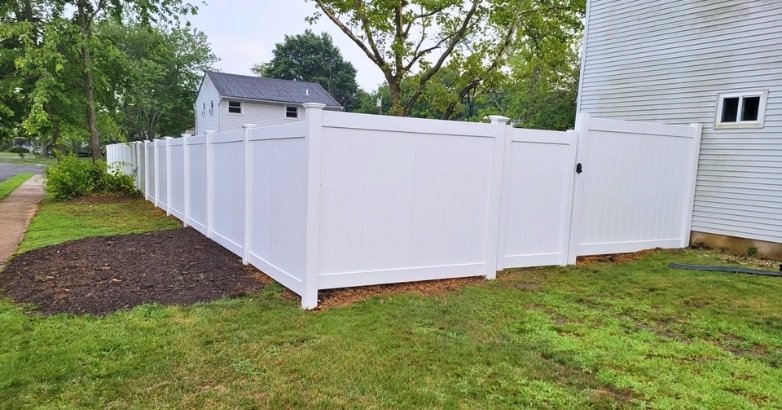
Planning a fencing project may feel overwhelming at first; permits, measurements, materials, and budgeting can quickly pile up. But with the right guidance and a clear checklist for planning a fencing project, the process becomes simpler, more predictable, and far more enjoyable. Whether you’re securing your property, upgrading curb appeal, enhancing privacy, or adding value to your home or business, having a solid fencing project checklist makes a huge difference.
With more than two decades of hands-on experience installing fences across Staten Island, Brooklyn, Queens, and New Jersey, we’ve refined the perfect checklist for fencing projects to help homeowners avoid delays, minimize costs, and ensure a smooth installation.
This guide is your step-by-step companion for planning a fence that’s durable, beautiful, and built to last.
Why You Need a Checklist for Planning a Fencing Project
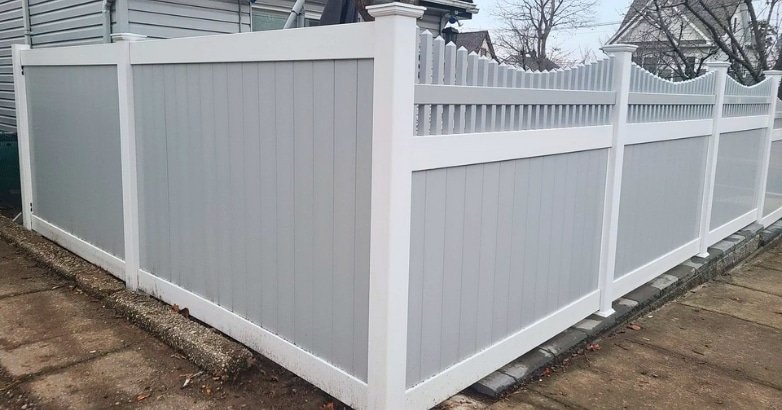
A well-structured fence checklist ensures you start with clarity and avoid costly surprises along the way. Many homeowners underestimate the details involved, permits, measurements, materials, property lines, and budgeting, each one affecting your final outcome.
A checklist keeps everything organized, helping you compare options, understand local regulations, and prepare your yard properly before installation. It also prevents mistakes like choosing the wrong fence type or overlooking hidden costs.
By following a clear fencing project checklist, you streamline communication with your contractor, stay within budget, and ensure your fence is built efficiently, safely, and exactly the way you envisioned.
Step 1: Define Your Main Purpose for the Fence
The first step in your checklist for planning a fencing project is identifying the primary purpose of your fence. This decision shapes every part of the project, from the materials you choose to your overall budget.
Whether you want added security, improved privacy, enhanced curb appeal, or a safe space for kids and pets, defining your goal ensures your fence is both functional and visually fitting. It also helps your contractor recommend the right height, style, and durability options.
By clarifying your purpose early, your entire fencing project checklist becomes easier to manage, setting the foundation for a successful and well-planned installation.
Step 2: Identify Your Preferred Fence Style and Material
Your choice of fencing material impacts cost, maintenance, durability, and appearance. As part of your planning for a fencing project, consider the top materials:
Vinyl Fence
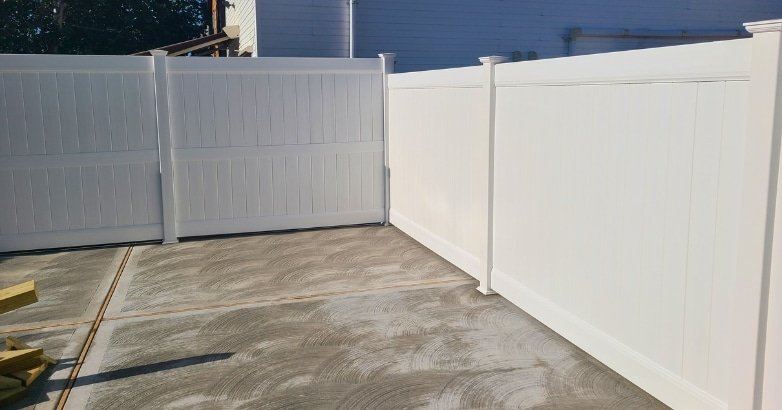
Vinyl fences are low-maintenance, durable, and resistant to rot, insects, and fading. They offer excellent privacy and a clean, modern look, making them ideal for homeowners who want long-lasting beauty without frequent upkeep.
Wood Fence
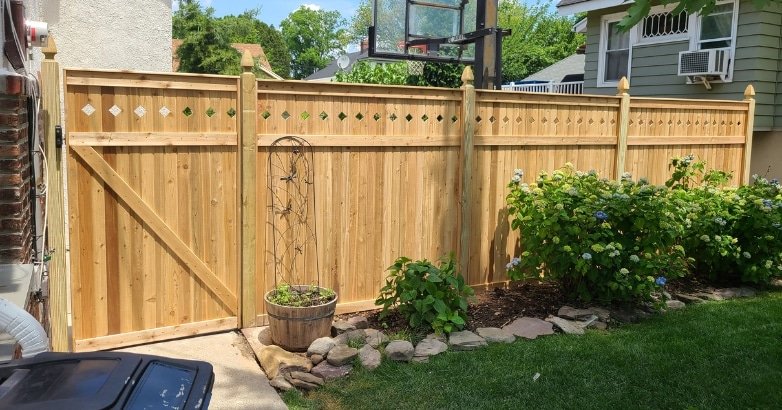
These fences provide a classic, natural appearance and are highly customizable. They’re great for privacy and aesthetic charm but require regular maintenance to protect against weathering, insects, and moisture.
Aluminum Fence
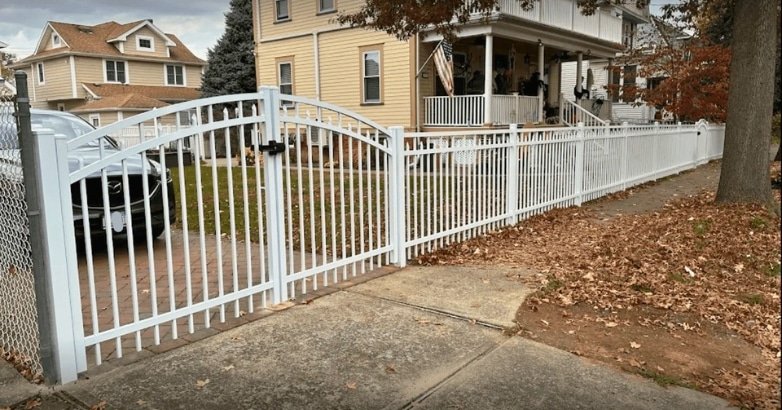
Aluminum fencing is strong, rust-resistant, and stylish. It’s perfect for security or decorative purposes, offering an elegant look with minimal maintenance and long-term durability in various climates.
Chain-link Fence
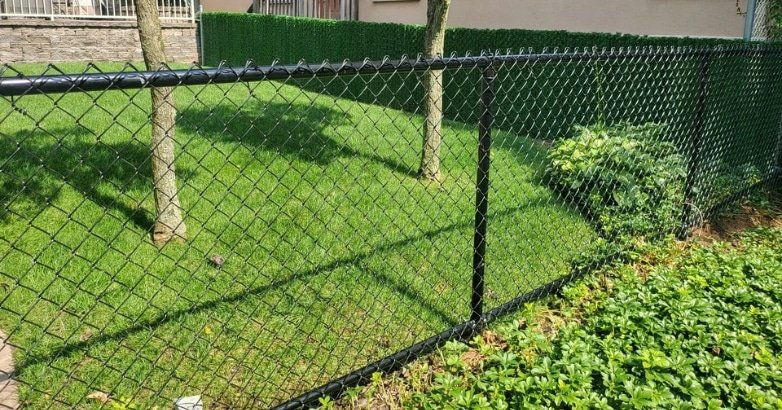
Fences that are affordable, sturdy, and practical. They’re commonly used for security, pet containment, and large properties, offering durability without the cost of premium materials.
Composite Fence
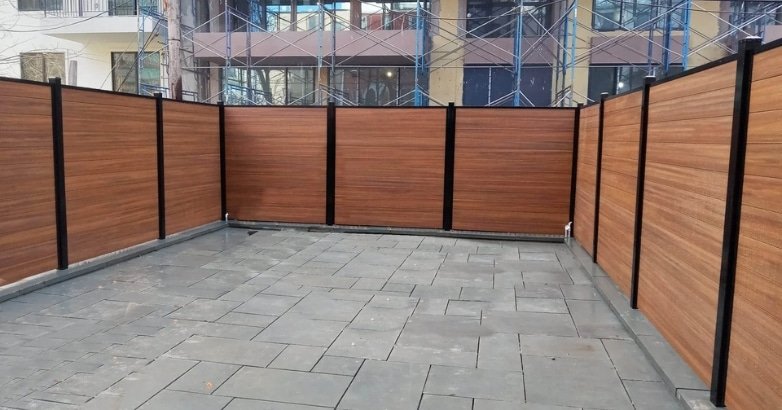
Composite fences combine the natural look of wood with the durability of engineered materials. They resist fading, warping, and rot, providing a long-lasting, low-maintenance option for modern homes.
Your fencing project checklist should include comparing lifespan, budget, maintenance, and style preferences.
Step 3: Determine Your Property Lines
Before installing any fence, accurately determining your property lines is a crucial step in your fence planning checklist. Clear boundaries prevent legal disputes, ensure compliance with local regulations, and avoid the costly mistake of placing a fence on a neighbor’s land.
Start by reviewing your property survey or plat map, which outlines exact measurements and boundary markers. If these documents are outdated or unclear, consider hiring a licensed surveyor for verification.
You should also check local setback requirements, which dictate how far a fence must be from the property line. Taking time to confirm your boundaries ensures a smooth installation and long-term peace of mind.
Step 4: Understand Local Regulations & Permit Requirements
Understanding local regulations and permit requirements is a vital part of your checklist for planning a fencing project. Every city, township, or HOA has specific rules that dictate how high your fence can be, what materials are allowed, and where it can be placed.
Failing to follow these guidelines may lead to fines, delays, or even having to remove and rebuild the fence. Before starting your project, check zoning laws, setback rules, and any neighborhood restrictions. Some areas require formal permits, especially for taller fences or those near public pathways.
Taking time to research and secure permits ensures your fencing project is fully compliant and avoids unnecessary complications.
Step 5: Set Your Budget and Timeline
Setting a clear budget and timeline is an essential part of your fence planning checklist. A well-planned budget helps you avoid unexpected expenses and ensures you choose materials and design features that fit your financial goals. Start by outlining all potential costs, including:
- Fence materials
- Labor and installation
- Old fence removal
- Gates and hardware
- Cleanup or disposal fees
Next, establish a realistic timeline. Consider weather conditions, contractor availability, and permit processing times. A structured budget and timeline give you better control over your project, keeping everything organized, efficient, and aligned with your expectations.
Step 6: Measure Your Property Accurately
Accurate measurements are a key part of your fencing preparation checklist, ensuring you order the right materials and avoid costly mistakes. Start by measuring the full linear footage of the area where the fence will be installed.
Identify corners, slopes, gate locations, and any obstacles such as trees or structures. Take note of uneven terrain, as this may affect post spacing and material quantities. It’s also helpful to mark potential fence lines with string or stakes for visual guidance.
While your contractor will perform final measurements, having your own accurate estimates helps you plan your budget and timeline more effectively, ensuring a smooth installation process.
Step 7: Choose a Trusted Fence Contractor
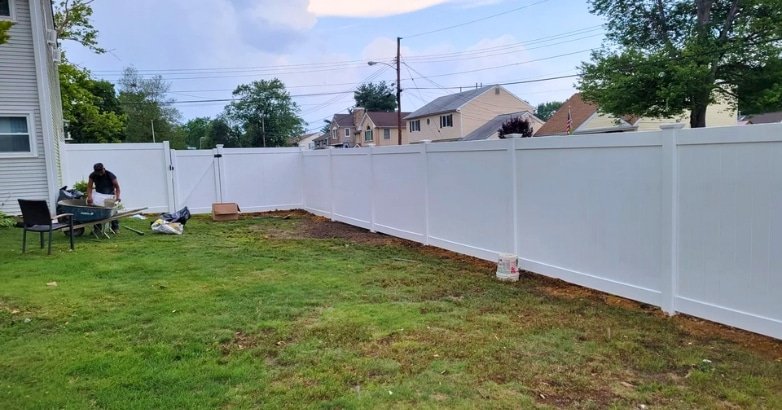
Choosing a trusted fence contractor is a crucial step in your checklist for planning a fencing project, as the quality of installation directly affects your fence’s durability, longevity, and overall appearance. A reliable contractor provides expertise, accurate measurements, clear timelines, and professional workmanship that ensures your investment is built to last.
Begin by reviewing customer testimonials, verifying licenses and insurance, and checking past project photos. Ask about warranties, materials used, and what’s included in the estimate. Clear communication and transparent pricing are strong signs of a dependable professional.
For homeowners in Staten Island, Brooklyn, Queens, and New Jersey, JR Fencing is a trusted and highly recommended choice. With decades of experience and a commitment to quality, they deliver reliable, customized fencing solutions.
Ready to start your project? Contact JR Fencing today for a free consultation and expert guidance.
Step 8: Prepare Your Yard for Installation
Preparing your yard for installation is an essential step in your checklist for planning a fencing project, ensuring your contractor can work efficiently and safely.
A clean, accessible workspace prevents delays and avoids potential damage to landscaping or outdoor structures. Start by clearing debris, trimming overgrown shrubs, and removing items near the fence line. Marking underground utilities is also crucial to prevent accidents.
Include these tasks in your preparation list:
- Clear the fence lines of obstacles
- Trim grass, bushes, or tree branches
- Unlock gates and ensure easy access
- Confirm utility markings
- Notify neighbors about the project
Proper preparation sets the foundation for a smooth, hassle-free installation day.
Final Thoughts
A well-organized checklist for planning a fencing project ensures that every detail, from materials to measurements, is handled with clarity and confidence. Whether you’re installing a new vinyl fence, upgrading to aluminum, or replacing an aging wood fence, your fencing project checklist helps you avoid costly mistakes and achieve smooth, high-quality results.
With over 20 years of hands-on experience serving Staten Island, Brooklyn, Queens, and New Jersey, we’ve seen firsthand how proper planning transforms a fencing project. By following a detailed checklist for a fencing project, your property gains the durability, beauty, and long-term value it deserves.
If you ever need expert support, professional guidance, or a free consultation, our team at JR Fencing is here to help bring your vision to life, one perfectly installed fence at a time.
Ready to get started? Reach out to us today, and let’s build your perfect fence with confidence and precision.